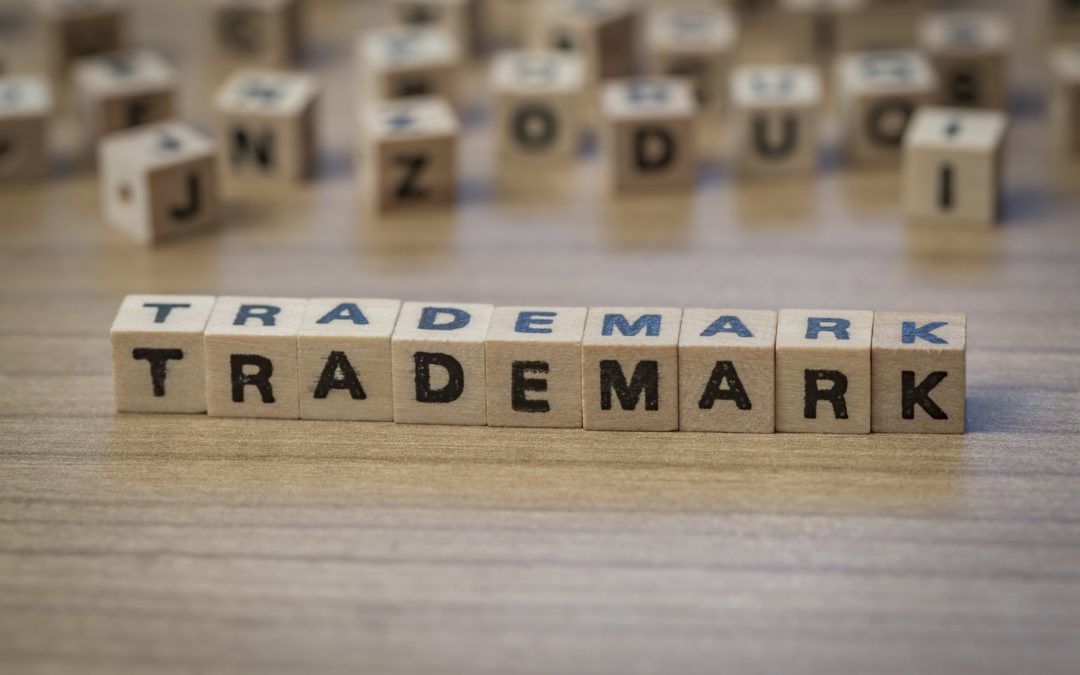
Toilet Paper and Trademarks. What do these items have in common?
Well, in recent times, they are both items that have become hot commodities during the COVID-19 pandemic.
It’s actually quite common for businesses and ambitious entrepreneurs to rush to the U.S. Patent and Trademark Office (“USPTO”) after a major disaster or crisis. They try to register words currently in vogue; in this case, all things related to CoVID-19. Over 1500 applications have been filed with the USPTO specific to COVID, Coronavirus, C-19, etc. Some applicants, trying to catch windfall by filing applications for words and phrases, such as “Covidiot” and “Straight Outta COVID”, may find they are unsuccessful. The majority of those requests will be denied, as descriptive or generic. A trademark is merely descriptive if it “immediately conveys” the ingredients, qualities, or characteristics of the goods or services with which it is used. A trademark will be considered merely descriptive if it conveys any aspect, purpose, function or use, or desirable characteristic of the goods or services. But perhaps a few clever applicants will find a way around those grounds for refusal.
What’s important to note about this occurrence is the lack of understanding involved in knowing what a trademark is, what its purpose is, etc. A trademark isn’t just a good idea – it’s a source identifier. A word, phrase, design, color, sound, logo, or combination of those things that identifies the source of a product or service. Further, in the United States, among other obstacles that must be overcome, proof of use is required before an application can rise to the level of a registration.
The bottom line is – if your mark, at a minimum, doesn’t meet the above requirements, don’t waste your money filing for trademark registration.
If you’re ready to create or update your Estate Plan, schedule a consultation. If you’re still gathering information, feel free to join my Facebook community for ongoing guidance and support: Legal Insights Facebook Group.
Start here:
Estate Planning FAQs
Explore other core documents in a complete estate plan:
- Preparing for Estate Planning
- What Is a Trust
- What Is an Advance Healthcare Directive
- What Is a Durable Power of Attorney
- What Is a Will
Want to explore more topics?
View all Estate Planning articles
Connect with me:
🌐 Website |
📘 Facebook |
📸 Instagram |
💼 LinkedIn |
⭐ Yelp
fRANCINE d. wARD
- Avoid ProbateAvoiding Probate — is it for you? Avoid Probate, Is that right for you? Ideally, when a loved one passes away, the administrative and financial details fade into the background.… Read more: Avoid Probate
- Disinherit a Child. Can you do it in California?Disinherit a Child. It’s Your Estate. Disinherit a child. Has disinheriting a child ever crossed your mind? If so, you are not alone. In California, it’s absolutely possible, but there… Read more: Disinherit a Child. Can you do it in California?
- AI and Estate PlanningAI and Estate Planning Artificial Intelligence (AI) is transforming nearly every area of our lives, and estate planning is no exception. AI provides powerful tools for gathering, organizing, and managing… Read more: AI and Estate Planning
- Trust Mill ScamsTrust Mill Scams. What’s Really Happening Behind the Scenes Trust Mill Scams. Estate planning scams are on the rise, especially in California. Seniors are losing an average of $34,000 per… Read more: Trust Mill Scams
- Missing Will – What if I Cannot Find it?Missing Will. A common occurrence after someone dies is that their estate documents cannot be found. The problem of the “missing will.” They may have been lost, mistakenly destroyed, intentionally… Read more: Missing Will – What if I Cannot Find it?