
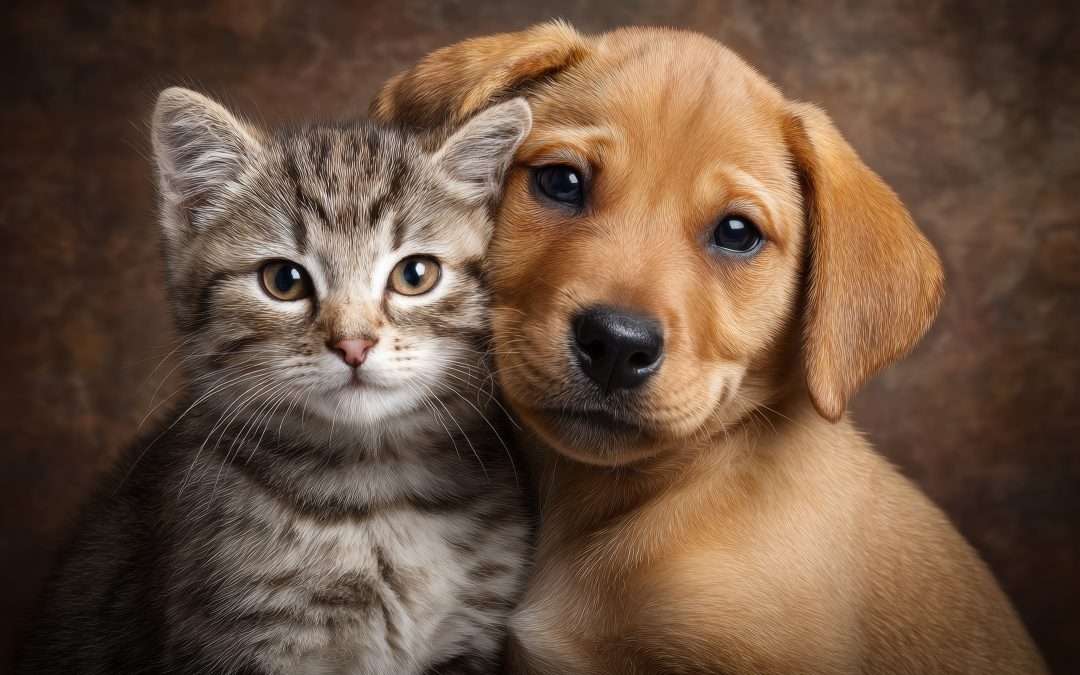
When most people think of creating an estate plan, the conversation is centered around human family members e.g., spouses, children, and grandkids. But for many of us, our pets are family, too. They depend on us for safety, comfort, routine, and love. So, what happens to them if you die, become incapacitated, or are no longer able to care for them? A Pet Trust is one of the most compassionate and responsible tools you can include in your estate plan. It ensures your pets are protected, cared for, and never left vulnerable during life’s unexpected transitions.
Common Myths About Pet Trusts
There are many common myths about the need for wills, trusts, estate planning, and pet trusts.
Myth #1: “If I mention my pet in my will, that’s enough.”
This is the most widespread misconception. A will cannot guarantee ongoing care for a pet because:
- A will only takes effect after probate, which can take months.
- It does not provide funding oversight or enforceable instructions.
- It cannot require someone to actually take the pet.
- It offers no protection if the named person refuses or becomes unable to care for the animal.
A Pet Trust, by contrast, is immediate, enforceable, and funded.
Myth #2: “I can just tell someone to take my pet.”
Informal promises are not legally binding. Even well‑intentioned friends or family may:
- Decline the responsibility
- Become ill or move
- Lack the financial means
- Rehome the pet without your approval
A Pet Trust creates legal accountability, including court oversight under California Probate Code §15212.
Myth #3: “Pet trusts are only for wealthy people.”
Not true. Most Pet Trusts are modest and simply cover:
- Food
- Grooming
- Routine vet care
- Medications
- Emergency care
A Pet Trust is about protection, not wealth. It ensures your pet doesn’t end up in a shelter or with someone unprepared to care for them.
What Is a Pet Trust?
It is a legally enforceable way to ensure your animals are cared for if you can’t care for them yourself. It can be created as a standalone document or incorporated into your existing trust. California provides statutory guidance.
California Probate Code §15212 — Pet Trusts at a Glance
California Probate Code §15212 is the law that makes Pet Trusts valid, enforceable, and legally protected in California. It ensures your pets are cared for exactly as you direct if you become incapacitated or pass away.
What the Law Guarantees • Legally enforceable care — The trustee must use the funds for your pet’s benefit. • Oversight & accountability — Anyone concerned about the animal’s welfare can ask the court to enforce the trust. • Lifetime protection — The trust lasts until the last surviving pet named in the trust dies. • Reasonable funding — Courts may reduce excessive funding, but only after ensuring your pet’s needs are fully covered. • Clear wrap‑up rules — When your pet passes, remaining funds go to the beneficiaries you choose.
Learn More • Nolo – Pet Trusts Overview • Bay Legal PC – California Pet Trust Guide • Lawvex – Pet Trusts in California
Why a Pet Trust Matters
Most people don’t automatically think about their pets when planning their estate. Not that they don’t care about their pets, it’s because many people don’t think Yet pets grieve, feel stress, and experience confusion when their owner dies or becomes incapacitated. Without a plan, they may be neglected, abandoned, or placed in a shelter. A Pet Trust prevents that outcome. Before §15212, pet provisions were often treated as “honorary,” meaning caretakers could ignore an owner’s wishes. Today, California law ensures your instructions are binding, your funds are protected, and your pet is never left vulnerable.
How a Pet Trust Works
A Pet Trust allows you to:
• Set aside funds for your pet’s care, including food, grooming, veterinary bills, medications, and boarding.
• Name a trustee who manages the funds.
• Name a caretaker who will have physical custody of your pet.
• Provide detailed instructions for how your pet should be cared for.
• Determine what happens to remaining funds after your pet passes.
The trustee and caretaker can be the same person, or you can separate the roles for checks and balances. After the last surviving pet dies, the trust ends and any remaining funds are distributed to your chosen beneficiaries.
If your pets are part of your family — and for many of us, they absolutely are — then including a Pet Trust in your estate plan is an act of love and responsibility.
Final Thoughts
Your pets give you unconditional love. This trust gives them unconditional protection. Whether you have a dog, cat, bird, bunny, horse, or any other cherished companion, planning ahead ensures they will always be safe, cared for, and surrounded by people who honor your wishes. Estate planning isn’t just about assets — it’s about safeguarding what matters most. If your pets are part of your family, they deserve to be part of your estate plan. Here are additional resources providing information on Chewy, ASPCA, American Heart Association.
Call to Action
If you're ready to create or update your Estate Plan, schedule a consultation. If you're still gathering information, feel free to join my Facebook community for ongoing guidance and support: Legal Insights Facebook Group.
Start here:
Estate Planning FAQs
Explore other core documents in a complete estate plan:
- Preparing for Estate Planning
- What Is a Trust
- What Is an Advance Healthcare Directive
- What Is a Durable Power of Attorney
- What Is a Will
Want to explore more topics?
View all Estate Planning articles
Connect with me:
🌐 Website |
📘 Facebook |
📸 Instagram |
💼 LinkedIn |
⭐ Yelp